
Printed from https://conscioushealthcaresa.com.au/occupational-therapy/amy-chen · Check the page for the latest details · Conscious Healthcare SA · 08 8166 4700
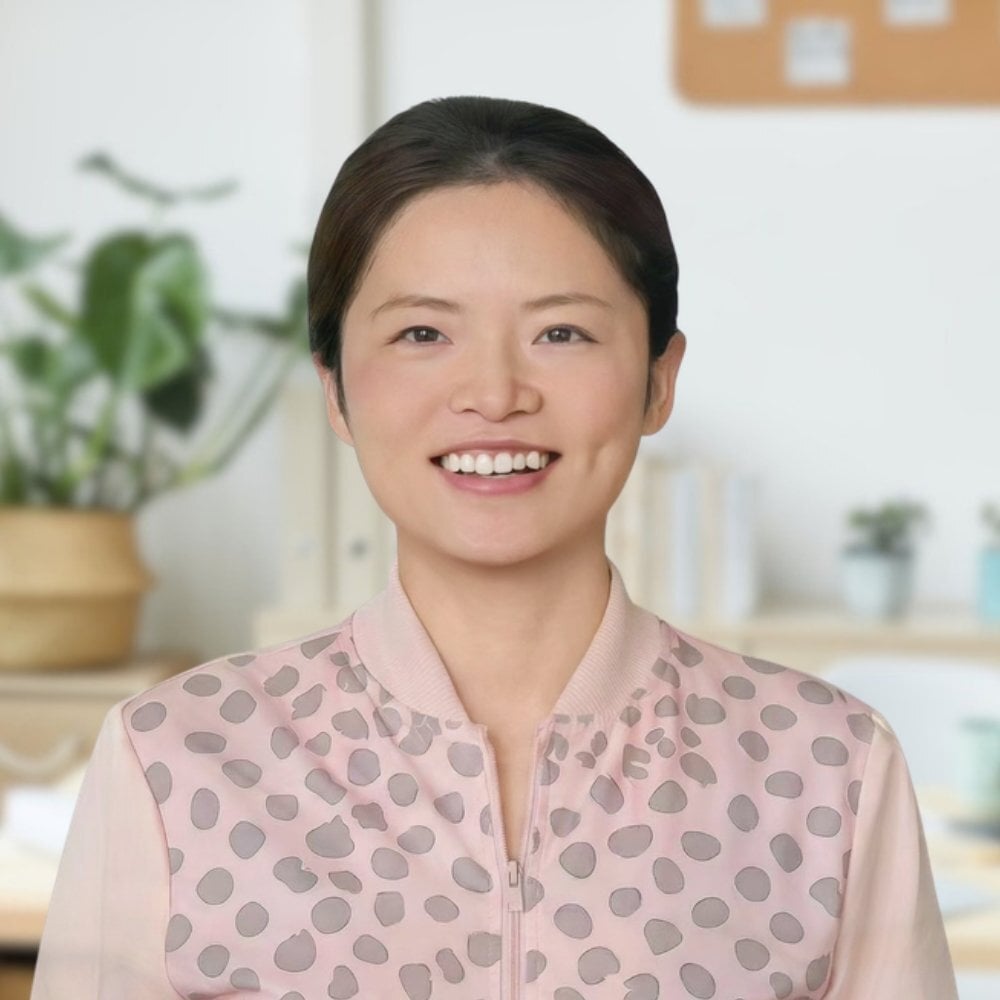
Amy Chen
Occupational Therapist · Master of Occupational Therapy, Flinders University
A medical and OT background, brought to everyday goals.
Empathetic, globally trained and client-focused, Amy brings a background in both medicine and occupational therapy to help clients build confidence, independence and the practical daily skills that matter most.
Taking new clients
- Works withTeens and adults
- Key interestsRecovery after illness or injury, emotional regulation and culturally diverse families
- SessionsAt home, at both clinics or by telehealth
- FundingPrivate, Medicare and NDIS clients
Who does Amy support?
Our OT team covers all of these areas, with clinical supervision and team discussion behind every therapy plan. Amy works with teens and adults, most often on recovery after illness or injury and emotional wellbeing.
Autism, ADHD and neurodivergence
- Autism
- ADHD
- Sensory processing differences
- Executive functioning (planning, organising, time management)
- Social communication differences
What we work on: sensory needs, routines, planning and organising, and taking part socially at home, at school, at work and in the community.
Child development and school
Our other occupational therapists work with:
- Developmental delay (milestones, self-feeding, self-care)
- Fine and gross motor skills (including handwriting)
- School readiness
- Play skills and confidence
Disability and developmental conditions
- Intellectual disability
- Cerebral palsy
- Down syndrome
What we work on: motor skills and coordination, everyday self-care, the right equipment and supports, and taking part at home, at school and in the community.
Mental health and emotional wellbeing
- Anxiety
- Depression and mood disorders
- Emotional regulation , Key interest
- Psychosis
- Psychosocial disability
- Sleep difficulties
- Stress and burnout
What we work on: daily structure and routines, coping skills, managing stress and big emotions, sleep, and taking part at home, at school, at work and in the community.
Neurological and brain conditions
- Stroke
- Brain injury (including traumatic brain injury, or TBI)
- Dementia (including Alzheimer’s disease)
- Parkinson’s disease and essential tremor
- Multiple sclerosis (MS) and motor neurone disease (MND)
- Spinal cord injury
- Neurological rehabilitation
What we work on: relearning everyday tasks, adjusting to changes in movement, thinking, vision or energy, saving energy as symptoms change, and setting up a safe home.
Physical and musculoskeletal conditions
- Recovery after illness, injury or surgery , Key interest
What we work on: protecting joints during everyday tasks, prosthetic and self-care training, pacing activity, and getting back to daily life after injury or surgery.
Our other occupational therapists also work with:
- Arthritis
- Amputation (including phantom limb pain)
- Burns and soft-tissue injuries
- Chronic pain and fatigue
Equipment, home modifications and mobility
- Assistive technology and equipment
- Home modifications
- Home safety assessments
- Functional mobility
What we work on: choosing and trialling equipment, home safety, and changes at home that make everyday tasks easier and safer.
Our other occupational therapists also work with:
- Wheelchair and seating prescription
Daily living and independence
- Daily living skills and routines
- Independent living skills
- Community participation
- Support at work or study
What we work on: self-care, everyday routines, independence at home, getting out into the community, and managing school, work or study.
Culturally and linguistically diverse families
- Working with culturally and linguistically diverse families , Key interest
What we work on: clear, respectful communication with you, your family and your support team, and therapy plans that fit your culture and routines.
No match on the list. Call us on 08 8166 4700 and we’ll tell you if Amy or another occupational therapist can help.
Don't see your situation? Call us on 08 8166 4700 and our team will talk it through with you.
About Amy
Medical training and several years of medical practice in China, followed by a Master of Occupational Therapy in Australia.
“I take a holistic approach to occupational therapy, recognising the dynamic interaction between the person, their environment, and the activities that are important to them. This perspective allows me to develop interventions that are both practical and meaningful in everyday life.”
Qualifications and registration
A Master of Occupational Therapy from Flinders University, after medical training in China.
Registration
Registered Occupational Therapist OCC0004040304
Occupational Therapy Board of Australia (Ahpra)
Degrees and certificates
- Master of Occupational Therapy
- Flinders University
Who can call themselves an occupational therapist?
"Occupational therapist" is a protected title in Australia. Only people registered with the Occupational Therapy Board of Australia, through Ahpra, can use it. You can check any occupational therapist on the Ahpra register, or read more about occupational therapy at CHSA.
How does Amy work?
Every CHSA occupational therapy journey starts the same way, then follows your goals.
Initial assessment
90 minutes. Getting to know you or your child, daily routines and what you want to be able to do.
Goals and a plan
After the assessment. Agreeing practical goals together and how therapy will work towards them.
Regular therapy
60-minute sessions. In clinic, at home, or at school or in the community, at a pace that suits you.
Reviews
As goals change. Checking what's working and updating the plan as life changes.
In Amy’s words
“I place a strong emphasis on understanding each client's unique goals, challenges, and priorities. My approach is grounded in empathy, collaboration, and clear communication, ensuring clients feel supported and actively involved in their therapy process.”
Where can you see Amy?
At home, in clinic or by video. Amy works Monday to Friday, 9am to 5pm.
At home
Amy visits homes, schools and community settings anywhere between Gawler, Aldinga and Mt Barker. Travel is charged at 50% of our standard hourly rate.In clinic
Amy sees people at both of our clinics.
Clinics are open Monday to Friday, 9am to 5pm.
Prefer video? Amy also sees people by telehealth, wherever you are in Australia.
How will you pay?
Private, Medicare and NDIS clients are all welcome.
Private
No referral needed. You pay for each session directly.
See our current feesMedicare
To claim a Medicare rebate, ask your GP about a chronic condition management plan. A referral on its own isn't enough. With a plan, Medicare covers part of the cost of a limited number of allied health sessions each year, and our team can explain what that means for you.
See our current feesNDIS
We're a registered NDIS provider. Occupational therapy is usually funded under Capacity Building – Improved Daily Living in your NDIS plan. Once it's in your plan, you can send us a referral. Plan-managed, self-managed and NDIA-managed plans are all accepted.
Support coordinators: the key referral details are at the end of this page.
Send an NDIS referralNot quite the right fit? Meet our other occupational therapists.
 Stella MamogayPaediatric OT · children
 Jose DiazOT · children, teens and adults
 Dylan KingOT · adults
 Catherine SantosPaediatric OT · children
 Abbey ChenOT · 10 and over, and adults
How do I get started?
Send us an enquiry and let us know you'd like to see Amy, or give us a call. We usually reply within 1 to 2 business days.
- A free first call. Our triage team will talk through your goals, your funding and where you'd like to meet. There's no cost for this call.
- Then your first appointment with Amy. Appointments are charged at our usual fees.
Good to have ready
- Medicare: your GP's chronic condition management plan
- NDIS: your NDIS number and plan details, and who manages your plan
Not sure Amy is the right fit? Send an enquiry anyway, and our team will suggest someone.