
— Adelaide Dietitians
Helping children and adults across Adelaide live healthier, happier lives.
Practical nutrition support for children, adults and NDIS participants - in clinic, at home or via telehealth.
.png?width=1920&height=1080&name=Copy%20of%20Website%20Homepage%20Video%20(18).png)
-
Home visits
-
Children & adults
-
Clinic appointments
-
NDIS registered provider
-
Telehealth
-
GP referrals accepted
-
Experienced team
Trusted by Adelaide families
-

270+
Active participants
-

Verified
NDIS registered provider
-

Mobile
Home visits across Adelaide
-

Within 1 wk
Low wait times
-
All ages
Children & adults
— Adelaide Dietitians
Helping children and adults across Adelaide live healthier, happier lives.
Practical nutrition support for children, adults and NDIS participants - in clinic, at home or via telehealth.
-
Home visits
-
Clinic appointments
-
Telehealth
-
Children & adults
-
NDIS registered provider
-
GP referrals welcome
.png)
-
Experienced team
Trusted by Adelaide families
-
270+
Active participants
-
Verified
NDIS registered provider
-
Mobile
Home visits across Adelaide
-
Within 1 wk
Low wait times
-
All ages
Children & adults
— How can we help?
Tell us what you're looking for.
— How can we help?
Tell us what you're looking for.
— Who we help
I'm looking for support for…
-
My child
-
Myself
-
Someone on the NDIS
-
A family member
-
A support coordinator
— Who we help
I'm looking for support for…
-
My child
-
Myself
-
Someone on the NDIS
-
A family member
-
A support coordinator
Care across every stage of life.
The dietitians families keep recommending.
-

Low wait times
Most clients booked within a week.
-

Practical advice
Meals, snacks, shopping - not lectures.
-

Experienced dietitians
Practical, evidence-based, warm.
-

Mobile across Adelaide
Metro-wide coverage.
-

Collaborative care
Working with GPs, specialists and OTs.
-

NDIS registered
Full plan support and reporting.
The dietitians families keep recommending.
-

Low wait times
Most clients booked within a week.
-

Practical advice
Meals, snacks, shopping - not lectures.
-

Experienced dietitians
Practical, evidence-based, warm.
-

Mobile across Adelaide
Metro-wide coverage.
-

Collaborative care
Working with GPs, specialists and OTs.
-

NDIS registered
Full plan support and reporting.
— Meet our dietitians
Real people. Practical plans.
James Hart
Dietitian Team Leader & Diabetes Educator
James brings warmth, lived experience, and hands-on nutrition care to support clients of all ages. From chronic conditions to fussy eating, his approach is practical, empowering, and rooted in lived understanding.
- Crohn’s, Diabetes type 1 & 2 and ASD Support
- Home-Based & Sensory-Inclusive Care
- Author of Crushing Crohn’s: Medication Free

Esther Lim
Dietitian
Supporting neurodivergent clients and families with inclusive, judgment-free nutrition care. Esther brings 5+ years of experience in disability and private practice to help clients build healthier habits with confidence.
- Neurodivergent & Fussy Eating Support
- Nutrition for All Ages (2+)
- Evidence-Based, Person-Centred Plans
Aleesha Robertson
Dietitian
Helping clients build realistic, sustainable nutrition habits through compassionate, evidence-based care. Aleesha supports individuals across neurodivergent nutrition, sports nutrition, and chronic health conditions with a warm and collaborative approach.
- Neurodivergent & Chronic Health Support
- Sports Nutrition & Performance
- Compassionate, Practical Nutrition Care

— Meet our dietitians
Real people. Practical plans.
James Hart
Dietitian Team Leader & Diabetes Educator
James brings warmth, lived experience, and hands-on nutrition care to support clients of all ages. From chronic conditions to fussy eating, his approach is practical, empowering, and rooted in lived understanding.
- Crohn’s, Diabetes type 1 & 2 and ASD Support
- Home-Based & Sensory-Inclusive Care
- Author of Crushing Crohn’s: Medication Free
Esther Lim
Dietitian
Supporting neurodivergent clients and families with inclusive, judgment-free nutrition care. Esther brings 5+ years of experience in disability and private practice to help clients build healthier habits with confidence.
- Neurodivergent & Fussy Eating Support
- Nutrition for All Ages (2+)
- Evidence-Based, Person-Centred Plans
Aleesha Robertson
Dietitian
Helping clients build realistic, sustainable nutrition habits through compassionate, evidence-based care. Aleesha supports individuals across neurodivergent nutrition, sports nutrition, and chronic health conditions with a warm and collaborative approach.
- Neurodivergent & Chronic Health Support
- Sports Nutrition & Performance
- Compassionate, Practical Nutrition Care
— Our process
How it works.
Step 01
Submit your enquiry
A short form - takes under 2 minutes.
Step 02
We'll contact you within one business day
A real person, not a bot.
Step 03
We recommend the right dietitian
Matched to your needs, location and goals.
Step 04
Begin working towards your goals
In clinic, at home or via telehealth.
— Our process
How it works.
Step 01
Submit your enquiry
A short form - takes under 2 minutes.
Step 02
We'll contact you within one business day
A real person, not a bot.
Step 03
We recommend the right dietitian
Matched to your needs, location and goals.
Step 04
Begin working towards your goals
In clinic, at home or via telehealth.
— Fees & funding
Our Pricing
— Fees & funding
Our Pricing
Private / Medicare Services
Fee Structure
- Standard Session (60 min): $193.99
- In-home visit travel: charged at 50% of the hourly rate
NDIS Services
NDIS Pricing
- Initial Consultation (90 min): $268.49
- Standard Session (60 min): $178.99
- In-home visit travel: charged at 50% of the hourly rate
Private / Medicare Services
Fee Structure
- Standard Session (60 min): $193.99
- In-home visit travel: charged at 50% of the hourly rate
NDIS Services
NDIS Pricing
- Initial Consultation (90 min): $268.49
- Standard Session (60 min): $178.99
- In-home visit travel: charged at 50% of the hourly rate
— Our Clinics
Located across Adelaide
— Our Clinics
Located across Adelaide

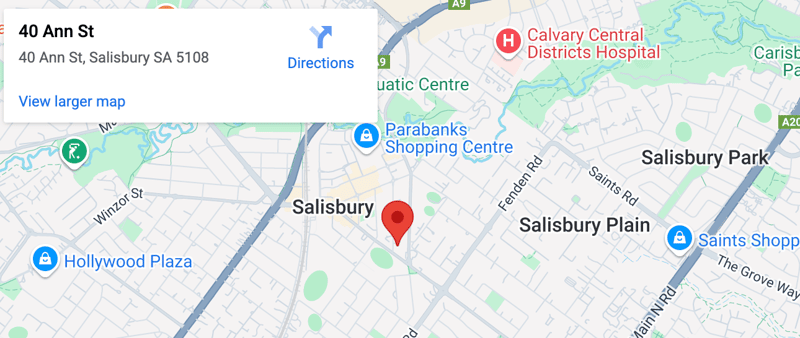
North Adelaide Clinic
40 Ann St, Salisbury SA 5108
Mon-Fri: 9:00 AM - 5:00 PM
(08) 8166 4700
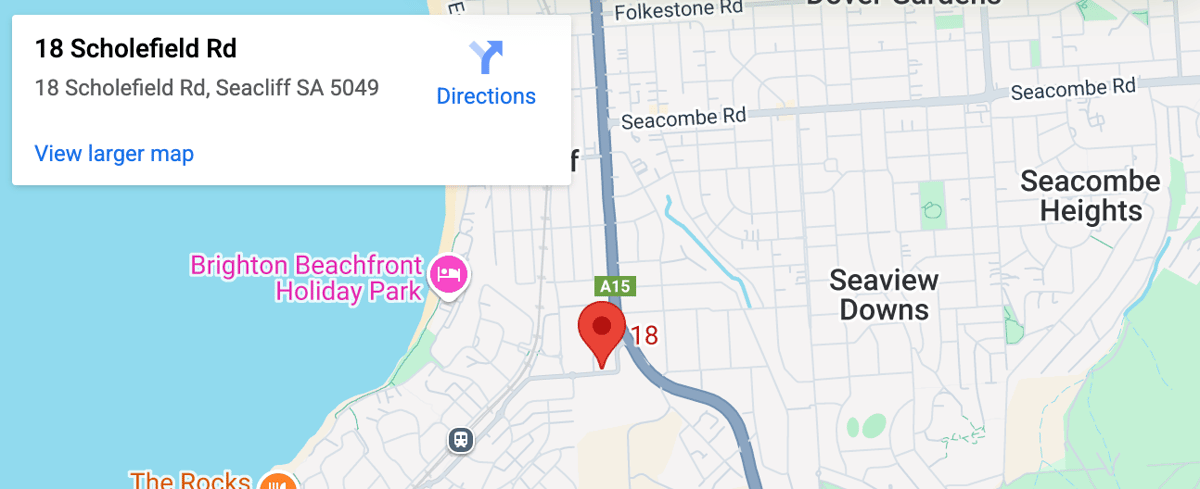
South Adelaide Clinic
18-20 Scholefield Rd, Seacliff SA 5049
Mon-Fri: 9:00 AM - 5:00 PM
(08) 8166 4700

North Adelaide Clinic
40 Ann St, Salisbury SA 5108
Mon-Fri: 9:00 AM - 5:00 PM
(08) 8166 4700

South Adelaide Clinic
18-20 Scholefield Rd, Seacliff SA 5049
Mon-Fri: 9:00 AM - 5:00 PM
(08) 8166 4700
.png)
Got Questions? We've Got You
so you can feel informed, confident, and ready to get started.
Got Questions? We've Got You
Dietetics is vital for our clients as it aims to enhance and maintain their nutritional well-being, health, and overall independence in day-to-day life.
We understand that disabilities can bring forth a range of unique challenges, including specific dietary requirements, weight management, and nutritional support needs. Our dietetics sessions are centred on optimising your dietary health, function, and quality of life.
The role of Conscious Healthcare SA’s dietitians is to assess, provide guidance, educate, and empower you to actively participate in your nutritional journey. We collaborate with you to set attainable dietary goals and equip you with the necessary tools and guidance to help you achieve them. We can answer more of your questions below, just click on the plus symbol to access information.
Dietetics is vital for our clients as it aims to enhance and maintain their nutritional well-being, health, and overall independence in day-to-day life.
We understand that disabilities can bring forth a range of unique challenges, including specific dietary requirements, weight management, and nutritional support needs. Our dietetics sessions are centred on optimising your dietary health, function, and quality of life.
The role of Conscious Healthcare SA’s dietitians is to assess, provide guidance, educate, and empower you to actively participate in your nutritional journey. We collaborate with you to set attainable dietary goals and equip you with the necessary tools and guidance to help you achieve them. We can answer more of your questions below, just click on the plus symbol to access information.
-
What is Dietetic Therapy?
Dietetic therapy focuses on the use of diet and nutrition in order to treat and manage health conditions.
This therapy is handled by dietitians, who work with clients to tailor a diet and nutrition plan that addresses their medical conditions and associated individual needs. The key aim of dietetic therapy is to improve health outcomes for clients and ideally alleviate the symptoms of their specific conditions.
With the right support and planning, dietetic therapy can be transformative for clients and notably reduce the likelihood of future health complications related to diet.
Individuals who live with a disability that impacts their diet and nutritional needs may qualify for dietetic therapy through a registered NDIS provider such as Conscious Healthcare SA. -
How Can a Dietitian Help with Weight Management?
As dietitians specialise in helping people address health conditions through diet, nutrition and exercise, they’re highly experienced in assisting clients achieve and maintain specific weight goals.
Regardless of whether you need to lose or gain weight or improve your nutrient intake, our dietitians can help you achieve these specific goals. Once you’ve accomplished those goals, they’ll then implement appropriate strategies and revised diets to ensure you’re appropriately managing your weight and/or nutrient intake. -
What Conditions Can a Dietitian Treat?
Dietitians at Conscious Healthcare SA can help manage the nutrition and diets of individuals whose ability to manage their own diets is impacted by, or results from, the following disabilities or conditions:
- Intellectual, neurological, physical, or psychosocial disability
- Autism or neurodivergent condition
- Acquired Brain Injury (ABI)
- Cerebral palsy
- Down syndrome
- Multiple sclerosis
- Global development delay
- Depression
-
Can a Dietitian Help Manage Diabetes?
Yes, a dietitian can help people with diabetes manage their condition through specific diet and exercise plans. In order to qualify for NDIS support regarding diabetes management, please note that support will only be provided if you can prove your ability to manage your diabetes is impacted by a related disability. For example, your diabetes is caused or exacerbated by a physical or intellectual disability.
-
Can Dietetic Therapy Improve Heart Health?
Yes, it can. If a disability or condition has contributed to deteriorating heart health, a dietician can formulate a health plan that’s focused on bringing more heart-healthy foods into regular rotation. They may also suggest simple, approachable exercises that are supportive of better heart health.
-
What’s the Difference Between a Nutritionist and a Dietitian?
While nutritionists and dietitians specialise in similar fields, the key difference lies in the qualifications required for both professions.
An important factor is that the field of nutrition practice is not regulated by the Australian government. This means that while people can be certified as nutritionists by different organisations, there is no legal protection over the term. As a result, anyone can potentially label themselves a nutritionist even without formal training or education.
On the other hand, dietitians and the broader dietetic profession are regulated by the government. Becoming a dietitian requires the successful completion of an accredited dietetics degree from an Australian university. This means you can rest assured that any dietitian you see is fully accredited and qualified to help you in your nutrition and diet journey. -
How Often Should I See a Dietitian?
The frequency with which you visit a dietitian will depend on your nutritional and dietary needs and how much intervention or planning is required to achieve them.
If your dietary requirements are relatively straightforward and you’re able to stick to the planned diet and exercise routines, you may only need to do the occasional follow-up. On the other hand, if you have several nutritional and dietary issues that need to be addressed over time, more frequent appointments with a dietitian may be necessary until you hit specific milestones. -
What Should I Expect During My First Consultation with a Dietitian?
The first session with a Conscious Healthcare dietitian will be focused on assessing your nutritional and dietary needs and how your disability or condition plays a role. They’ll discuss the options available to you and gauge what your personal objectives are - losing weight, improving the balance between diet and exercise, increasing the intake of specific nutrient-rich foods that you struggle with, etc.
With all the relevant information on hand and accounting for your specific disability, they’ll then map out an appropriate set of goals and a corresponding plan to get you started on your diet journey. They’ll provide you with tools and guidance to help you achieve your goals.
-
How Can a Dietitian Help Children with Nutrition Issues?
There can be many causes of nutritional issues in children. These can be caused by physical, intellectual, or emotional factors. For example, a child with a physical disability and limited movement could have unique nutritional needs based on their inability to burn calories in the same way as other children.
Neurodevelopmental factors can also impact a child’s nutrition. For example, autistic children may be sensitive to certain textures or flavours. This means they avoid specific foods with nutritional profiles because the texture or flavour is genuinely unpleasant and upsetting to them.
Another factor that can impact a child’s nutrition is a sensory-related issue that impacts interoception. Interoception is an internal sensory system that drives a person’s awareness of their physical and emotional states. If a child’s interoception is impacted, they may not recognise when they’re hungry even if their stomach is grumbling and aching. Dietitians can help these children by setting schedules for when to eat so that they don’t risk under-eating, which impacts their broader nutrition. -
Where Can I Find Qualified Dietitians in Adelaide?
If you’re in need of a dietitian in Adelaide and qualify for the NDIS, Conscious Healthcare SA’s dietitians can help. They offer their services in-clinic, via telehealth, and in-home.
Our two clinics are located in the north and south of Adelaide - Mawson Lakes and Seacliff, respectively. For in-home therapy, our dietitians can travel to visit clients between Gawler, Aldinga, and Mt Barker. We also provide our dietetic therapy services Australia-wide via telehealth.
To get started with Conscious Healthcare SA, you can Refer & Book, call us on (08) 8166 4700, or email enquiries@chcsa.com.au today.
-
What is Dietetic Therapy?
Dietetic therapy focuses on the use of diet and nutrition in order to treat and manage health conditions.
This therapy is handled by dietitians, who work with clients to tailor a diet and nutrition plan that addresses their medical conditions and associated individual needs. The key aim of dietetic therapy is to improve health outcomes for clients and ideally alleviate the symptoms of their specific conditions.
With the right support and planning, dietetic therapy can be transformative for clients and notably reduce the likelihood of future health complications related to diet.
Individuals who live with a disability that impacts their diet and nutritional needs may qualify for dietetic therapy through a registered NDIS provider such as Conscious Healthcare SA. -
How Can a Dietitian Help with Weight Management?
As dietitians specialise in helping people address health conditions through diet, nutrition and exercise, they’re highly experienced in assisting clients achieve and maintain specific weight goals.
Regardless of whether you need to lose or gain weight or improve your nutrient intake, our dietitians can help you achieve these specific goals. Once you’ve accomplished those goals, they’ll then implement appropriate strategies and revised diets to ensure you’re appropriately managing your weight and/or nutrient intake. -
What Conditions Can a Dietitian Treat?
Dietitians at Conscious Healthcare SA can help manage the nutrition and diets of individuals whose ability to manage their own diets is impacted by, or results from, the following disabilities or conditions:
- Intellectual, neurological, physical, or psychosocial disability
- Autism or neurodivergent condition
- Acquired Brain Injury (ABI)
- Cerebral palsy
- Down syndrome
- Multiple sclerosis
- Global development delay
- Depression
-
Can a Dietitian Help Manage Diabetes?
Yes, a dietitian can help people with diabetes manage their condition through specific diet and exercise plans. In order to qualify for NDIS support regarding diabetes management, please note that support will only be provided if you can prove your ability to manage your diabetes is impacted by a related disability. For example, your diabetes is caused or exacerbated by a physical or intellectual disability.
-
Can Dietetic Therapy Improve Heart Health?
Yes, it can. If a disability or condition has contributed to deteriorating heart health, a dietician can formulate a health plan that’s focused on bringing more heart-healthy foods into regular rotation. They may also suggest simple, approachable exercises that are supportive of better heart health.
-
What’s the Difference Between a Nutritionist and a Dietitian?
While nutritionists and dietitians specialise in similar fields, the key difference lies in the qualifications required for both professions.
An important factor is that the field of nutrition practice is not regulated by the Australian government. This means that while people can be certified as nutritionists by different organisations, there is no legal protection over the term. As a result, anyone can potentially label themselves a nutritionist even without formal training or education.
On the other hand, dietitians and the broader dietetic profession are regulated by the government. Becoming a dietitian requires the successful completion of an accredited dietetics degree from an Australian university. This means you can rest assured that any dietitian you see is fully accredited and qualified to help you in your nutrition and diet journey. -
How Often Should I See a Dietitian?
The frequency with which you visit a dietitian will depend on your nutritional and dietary needs and how much intervention or planning is required to achieve them.
If your dietary requirements are relatively straightforward and you’re able to stick to the planned diet and exercise routines, you may only need to do the occasional follow-up. On the other hand, if you have several nutritional and dietary issues that need to be addressed over time, more frequent appointments with a dietitian may be necessary until you hit specific milestones. -
What Should I Expect During My First Consultation with a Dietitian?
The first session with a Conscious Healthcare dietitian will be focused on assessing your nutritional and dietary needs and how your disability or condition plays a role. They’ll discuss the options available to you and gauge what your personal objectives are - losing weight, improving the balance between diet and exercise, increasing the intake of specific nutrient-rich foods that you struggle with, etc.
With all the relevant information on hand and accounting for your specific disability, they’ll then map out an appropriate set of goals and a corresponding plan to get you started on your diet journey. They’ll provide you with tools and guidance to help you achieve your goals.
-
How Can a Dietitian Help Children with Nutrition Issues?
There can be many causes of nutritional issues in children. These can be caused by physical, intellectual, or emotional factors. For example, a child with a physical disability and limited movement could have unique nutritional needs based on their inability to burn calories in the same way as other children.
Neurodevelopmental factors can also impact a child’s nutrition. For example, autistic children may be sensitive to certain textures or flavours. This means they avoid specific foods with nutritional profiles because the texture or flavour is genuinely unpleasant and upsetting to them.
Another factor that can impact a child’s nutrition is a sensory-related issue that impacts interoception. Interoception is an internal sensory system that drives a person’s awareness of their physical and emotional states. If a child’s interoception is impacted, they may not recognise when they’re hungry even if their stomach is grumbling and aching. Dietitians can help these children by setting schedules for when to eat so that they don’t risk under-eating, which impacts their broader nutrition. -
Where Can I Find Qualified Dietitians in Adelaide?
If you’re in need of a dietitian in Adelaide and qualify for the NDIS, Conscious Healthcare SA’s dietitians can help. They offer their services in-clinic, via telehealth, and in-home.
Our two clinics are located in the north and south of Adelaide - Mawson Lakes and Seacliff, respectively. For in-home therapy, our dietitians can travel to visit clients between Gawler, Aldinga, and Mt Barker. We also provide our dietetic therapy services Australia-wide via telehealth.
To get started with Conscious Healthcare SA, you can Refer & Book, call us on (08) 8166 4700, or email enquiries@chcsa.com.au today.
Ready to take the first step?
Whether you're looking for support for yourself, your child or someone you care for, our dietitians are here to help.
Fill out the form below and our team will contact you to get your appointment booked in.
Prefer to call? (08) 8166 4700 - Mon-Fri, 9:00am-5pm
Ready to take the first step?
Whether you're looking for support for yourself, your child or someone you care for, our dietitians are here to help.
Fill out the form below and our team will contact you to get your appointment booked in.
Prefer to call? (08) 8166 4700 - Mon-Fri, 9:00am-5pm